It's the single most useful piece of plumbing knowledge you can have before you actually need it.
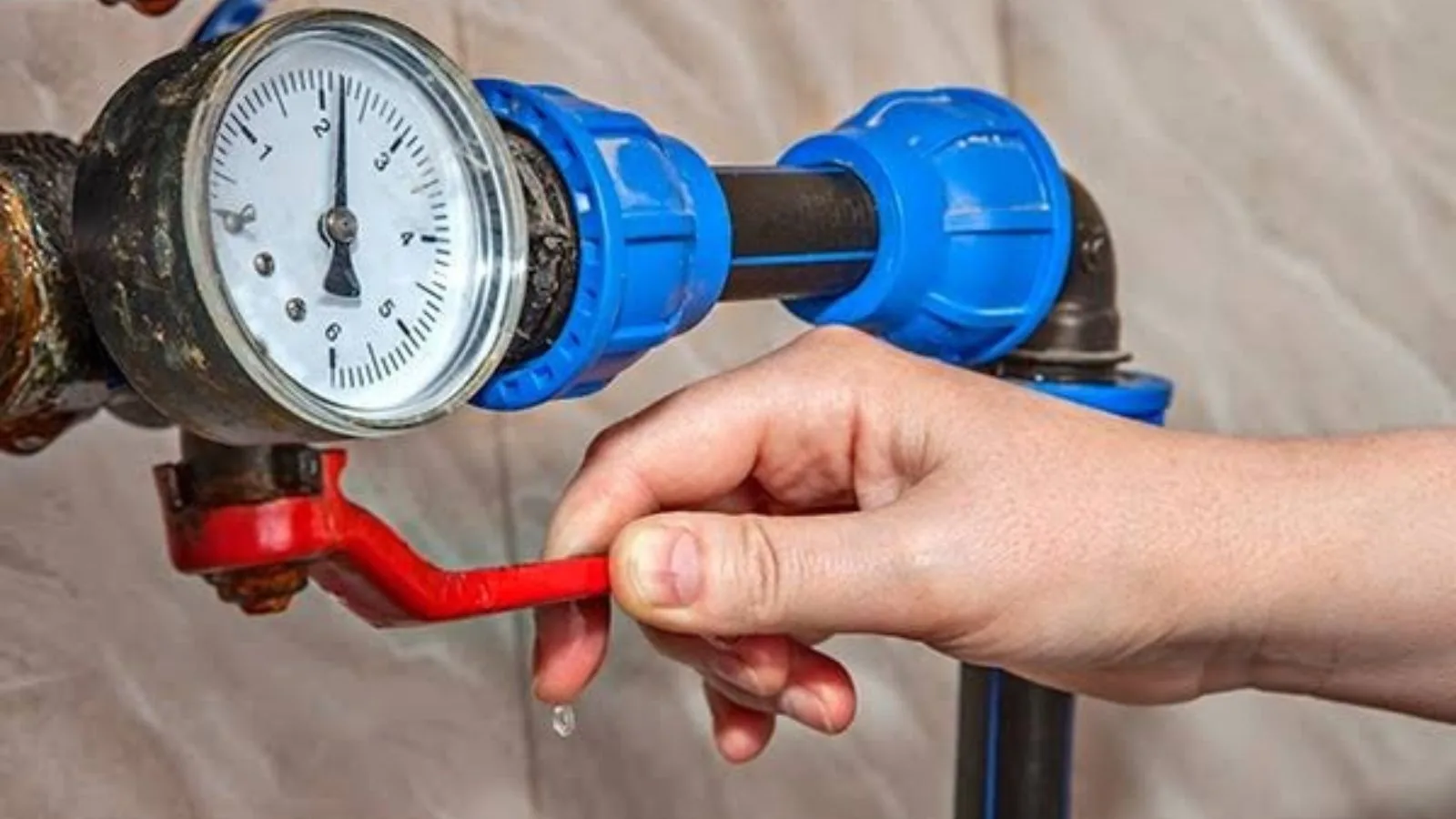
Every home has a main water shutoff valve, and knowing exactly where it is before an emergency happens is genuinely one of the most useful things a homeowner can do -- it's the single step that limits damage the most when a pipe bursts or a fixture fails catastrophically.
In most Pasadena homes, the main shutoff is in one of a few predictable spots: near where the water line enters the house, inside a garage or utility closet, or in an exterior valve box near the street-facing side of the property.
This applies whether you've lived in your home for twenty years or moved in last month. It's one of those tasks that's easy to keep putting off precisely because most days it doesn't matter at all, right up until the one day it matters more than almost anything else in the house.
Where to Look First
Start in the garage, if the home has one, near where the water line most likely enters the structure. A utility closet or the area around the water heater is the next most common spot in homes without an attached garage.
If it's not inside, check for an exterior valve box near the curb or where the water meter is located -- often a small in-ground box with a lid, sometimes requiring a special key or a flathead screwdriver to operate.
How to Confirm You Found the Right One
Turn it most of the way closed (not fully, if you're just testing) and check that water pressure drops noticeably at an indoor faucet. If nothing changes, you've found a different valve -- possibly one controlling just outdoor spigots or a single zone.
Once confirmed, turn it back to fully open and make a note of exactly where it is and which direction closes it (standard is clockwise to close, though it's worth confirming on your specific valve).
Why This Matters More Than It Seems
In a genuine emergency -- a burst pipe, a failed supply line under a sink, a water heater that's actively leaking -- every minute before the water is shut off is more water damage accumulating in your home.
Homeowners who know their shutoff valve location consistently report less total damage from plumbing emergencies than those who spend the first ten minutes searching for it while water keeps flowing.
If Your Valve Doesn't Work
Some older Pasadena homes have original shutoff valves that have seized from age and mineral buildup, particularly on galvanized systems -- if yours is stiff, hard to turn, or won't fully stop water flow, that's worth addressing before it becomes the second problem during an actual emergency.
A stuck or failing main valve is a straightforward fixture and valve repair in most cases, and it's far better to replace it on a normal Tuesday than to discover it's seized while water is actively flooding a room.
Individual Fixture Shutoffs Are Worth Knowing Too
Beyond the main valve, most sinks and toilets have their own small shutoff valve nearby, usually under the fixture -- knowing these exist means you don't always need to shut off water to the whole house for a single fixture problem.
These individual valves can seize up the same way a main valve can, especially if they've never been turned since the home was built, so it's worth checking them periodically too, not just the main one.
A Five-Minute Task Worth Doing Today
If you've read this far and still aren't sure exactly where your valve is, that's worth fixing today rather than adding to a mental list -- it genuinely takes five minutes to walk through your home and confirm it.
Take a photo of the valve once you've found it and text it to another household member, so more than one person in the house actually knows where to go if something happens while you're not home.
Need This Looked At?
Call now and a licensed Pasadena plumber can take a look.
FAQs
Call us and describe your home's layout -- we can often narrow down the likely location over the phone, and can locate and label it for you during any routine visit.
No -- the meter measures usage and belongs to the water utility; the shutoff valve controls flow into your home and is yours to operate. They're often near each other but serve different purposes.
Yes -- testing it once or twice a year (a partial turn and back) helps prevent it from seizing up from disuse, which is a common reason valves fail exactly when they're needed most.
Yes, if your existing valve is in a difficult spot or seized, we can install a new, more accessible one during a standard visit.
They're useful for isolating a single problem without affecting the whole house, but the main valve remains the one to know first, since it handles any emergency regardless of which fixture is involved.
Yes -- an emergency doesn't wait for the one person who knows to be home, so it's worth showing everyone in the household, including older kids, where it is and how it works.
Some homes have a valve at the meter and another where the line enters the house; knowing both is useful, though the interior one is usually the faster one to reach in an emergency.
Rarely, but an old valve can fail to seal fully even when it turns freely, which is one more reason to test yours periodically rather than assume it works.
Often yes -- older homes may have a gate valve, which can seize more easily over time than the ball valves common in newer installations.
It's typically a quick addition to any routine visit rather than a separate service call -- worth mentioning next time we're already at your home for something else.
Often yes -- newer construction tends to have more standardized, accessible valve placement, while older homes can have the valve tucked in a less obvious spot from decades of changes to the property.
Ready To Get It Fixed?
Call Pasadena Express Plumbing for upfront pricing and same-day scheduling in Pasadena, TX.
☎ Call (281) 626-9205