If your Pasadena home dates to the 1940s through 1970s, there's a real chance the original supply lines are galvanized steel, and they don't last forever.
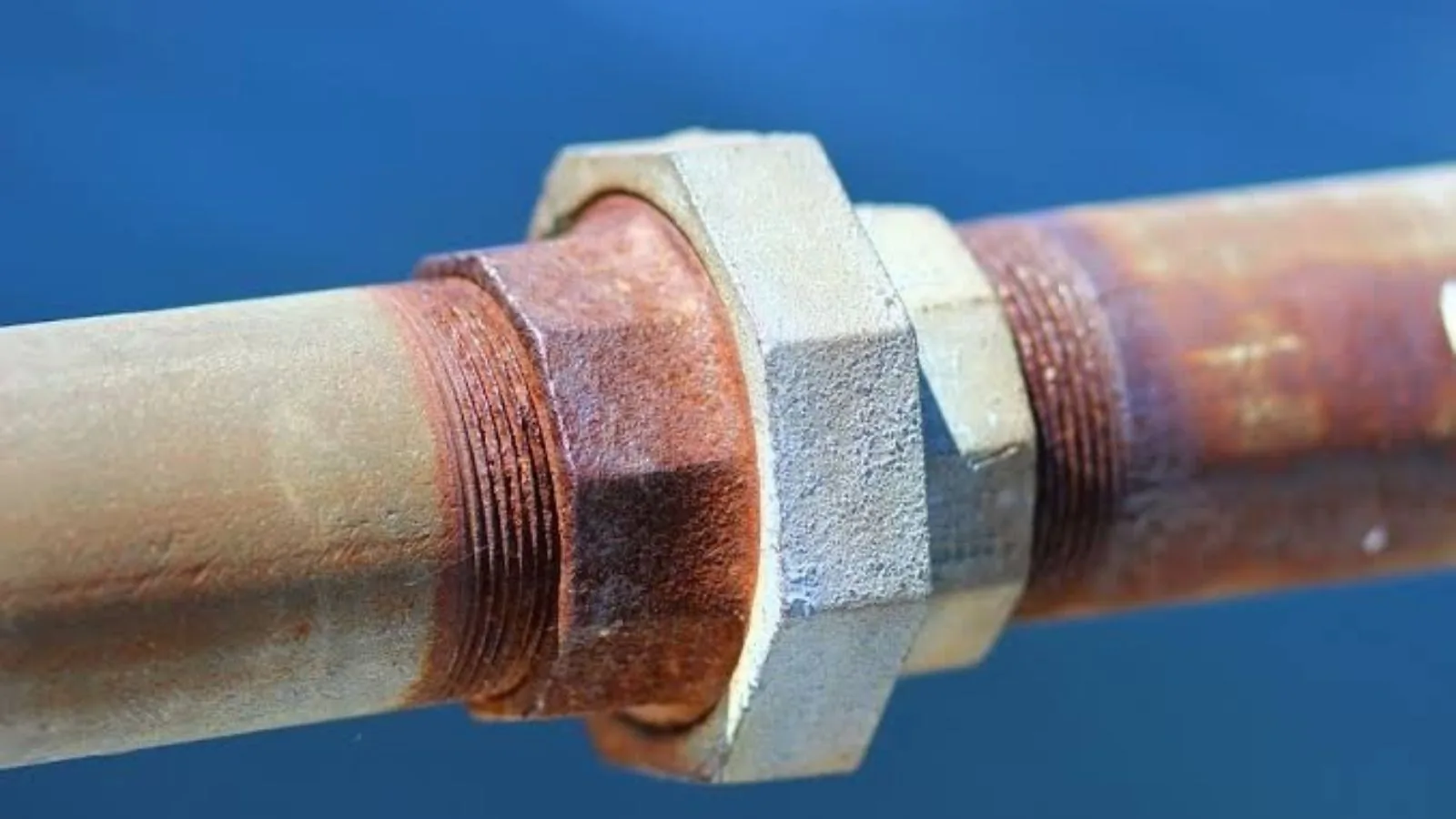
Galvanized steel pipe was the standard for residential water supply lines from roughly the 1880s through the 1960s, and a meaningful share of Pasadena's housing stock near the historic core dates to exactly that window. The pipe was zinc-coated to resist rust, but that coating wears through from the inside over decades, and once it does, corrosion sets in and the pipe starts closing itself off.
The average service life of galvanized supply pipe is 40 to 60 years. A lot of Pasadena's original galvanized lines are already past that window, which means the question for a lot of homeowners isn't really if a repipe is coming, it's when.
It's also worth noting that galvanized pipe doesn't fail on a predictable timeline the same way across every home -- water chemistry, how much the home's plumbing gets used, and even the specific manufacturer of the original pipe all play a role in how quickly corrosion actually progresses.
How Galvanized Pipe Actually Fails
Corrosion builds up on the inside wall of the pipe over years, narrowing the usable diameter the same way plaque narrows an artery -- water pressure drops gradually, often slowly enough that a homeowner doesn't notice until it's dramatic.
Eventually, either the buildup restricts flow badly enough to be a daily annoyance, or a corroded section develops a pinhole leak. Once one section starts pinholing, more tend to follow within a few years, since the pipe throughout the house is the same age and material.
The Signs Worth Watching For
Rusty or discolored water, especially right when a tap is first turned on after sitting, is one of the clearest signs -- that discoloration is corrosion being knocked loose inside the pipe.
- ✓Rusty or discolored water, especially right after turning a tap on
- ✓Water pressure that's dropped gradually over the years, not suddenly
- ✓More than one pinhole leak appearing in different spots over a year or two
- ✓Visible corrosion, flaking, or scale on any exposed galvanized pipe (basement, crawlspace)
Repair Each Leak, or Repipe the House?
For a single leak in an otherwise sound system, a targeted repair makes sense. But once a galvanized system starts producing leaks in multiple, unrelated spots, that's the system telling you it's uniformly at end of life, not that you got unlucky twice.
At that point, patching each new leak as it appears usually costs more over two or three years than a single whole-home repipe would have cost up front, on top of the water damage risk from leaks you don't catch immediately.
What a Repipe Actually Involves
A repipe replaces the old galvanized lines with copper or PEX, planned to minimize how much wall and ceiling gets opened, then patched and left paint-ready. Most single-family homes in Pasadena's older neighborhoods are completed in three to five days depending on size.
If you're not sure whether what you're looking at is genuinely galvanized pipe reaching end of life or something else entirely, a leak detection visit can confirm what's actually happening before you commit to either path.
What We Look For During an Assessment
Before recommending a repipe, we check water pressure at multiple fixtures, look at any exposed pipe for visible corrosion, and if there's real uncertainty about the material or condition, we can pull a small section for direct inspection.
This matters because not every older home with some galvanized pipe needs an immediate full repipe -- a home with well-maintained pressure and no leak history might reasonably wait, while one already showing multiple symptoms is a different conversation entirely.
Copper or PEX: Which Replacement Material
Copper has the longer track record and is what most older Pasadena repipes historically used, offering strong durability and a familiar material for future work by any plumber.
PEX installs faster with fewer joints, which means less wall opening during the repipe itself, and handles minor freeze events better than rigid copper since it has some flexibility. Neither is a wrong choice; the better fit depends on your home's layout and your own priorities between cost and long-term material preference.
Need This Looked At?
Call now and a licensed Pasadena plumber can take a look.
FAQs
Homes built before the 1970s are the most likely candidates. A magnet will stick to galvanized steel pipe but not to copper or PEX, which is a quick way to check any exposed section yourself.
Older galvanized pipe can leach lead if the original fittings used lead-based solder or if the pipe itself has significant internal corrosion. If you're concerned, a water test is worth doing before assuming it's fine.
Coverage varies significantly by policy and carrier, and it typically covers sudden failure rather than gradual wear. Check your specific policy language, since this is genuinely insurer-dependent.
In some layouts, yes -- we can stage a repipe by floor or section if budget or scheduling makes that the more practical approach.
A single section can be cut out and replaced with copper or PEX at the point of failure, but this is a stopgap on a system that's uniformly aging, not a long-term fix once multiple sections start failing.
We work in stages to keep water available to at least part of the home where the layout allows, and most single-family repipes are completed within three to five days from start to finish.
Often yes, through a combination of the home's age, any visible exposed sections, and water pressure and quality symptoms, though a full assessment gives the clearest picture.
It's generally viewed favorably by buyers and inspectors, since it removes a known aging-infrastructure concern, though it's not typically pursued purely as a resale investment.
If the home was built before 1970 and the supply lines haven't been replaced, the original galvanized pipe could be 55 years or older, well past the typical service window.
No -- a repipe specifically addresses supply lines; drain and sewer lines are a separate system with their own materials and their own age-related issues.
A water softener can reduce mineral-related corrosion somewhat, but it doesn't stop the underlying zinc-coating breakdown that happens with age -- it's a delay, not a permanent fix.
Ready To Get It Fixed?
Call Pasadena Express Plumbing for upfront pricing and same-day scheduling in Pasadena, TX.
☎ Call (281) 626-9205