Hurricane prep usually means shutters and generators. Plumbing deserves a spot on that list too.
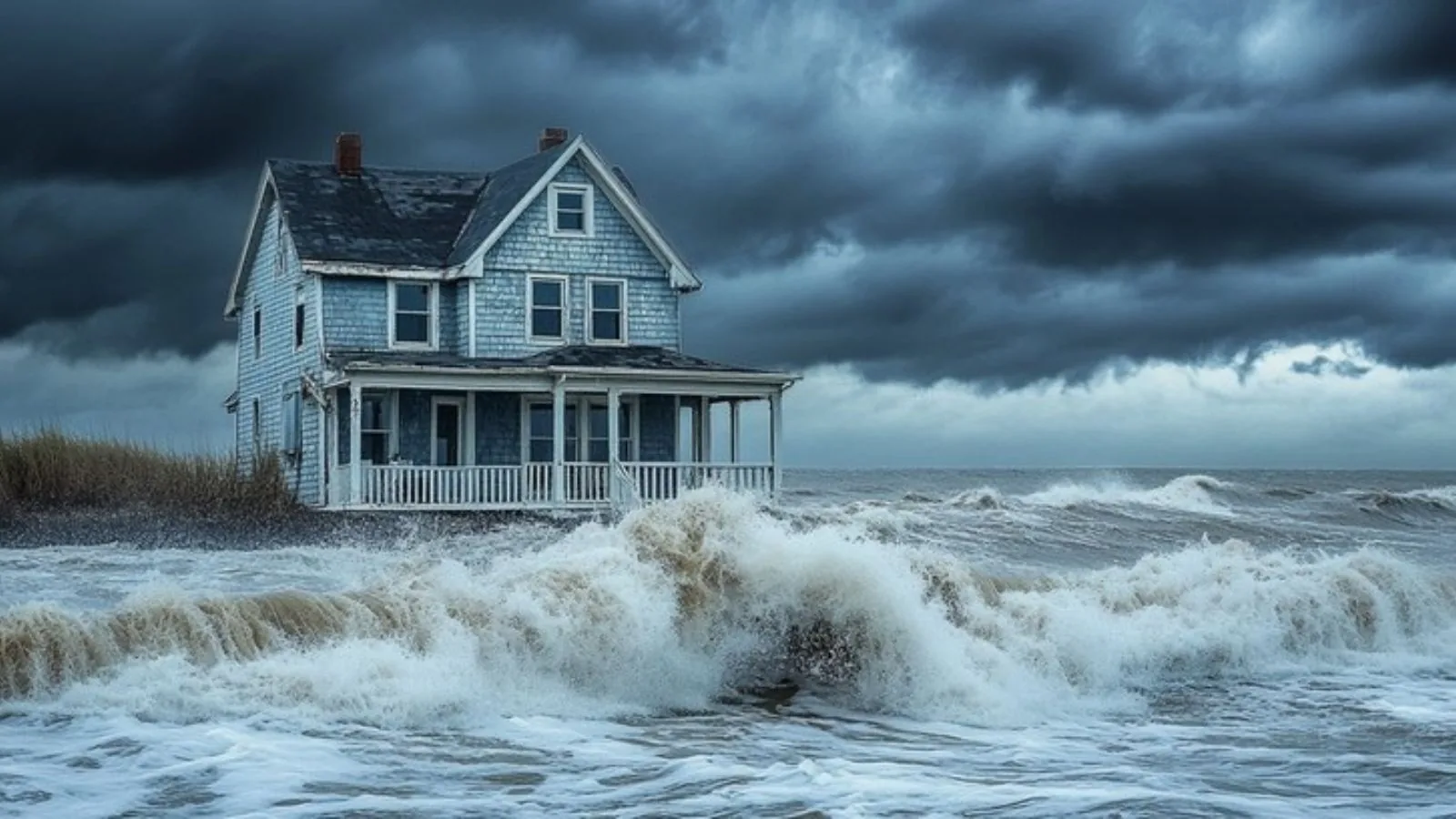
Hurricane season along the Gulf Coast runs June through November, and while most storm prep focuses on windows, generators, and flood insurance, plumbing is worth a specific checklist of its own -- both to prevent storm-related damage and to make sure a house near the Houston Ship Channel's industrial corridor handles heavy rain events without a plumbing failure adding to the problem.
None of this requires major work. It's mostly about knowing where things are and catching small issues before a major storm turns them into bigger ones.
It's worth building this into the same mental category as checking your smoke detectors or reviewing your homeowners policy -- not urgent on any given day, but part of the regular seasonal maintenance that actually prevents the expensive surprises later.
Before the Season Starts
Know exactly where your main water shutoff valve is, and confirm it actually turns freely -- the middle of a storm is the wrong time to discover it's seized up.
Have any known slow drains or minor leaks addressed before hurricane season, not during it. A minor issue that's manageable in good weather can become a genuine problem when heavy rain and storm surge stress the whole system at once.
Backflow Protection Matters More Here
Heavy flooding can cause sewer systems to back up under pressure, and a functioning backflow preventer is what keeps that from pushing into your home through drains and fixtures.
If your property has a backflow prevention device, confirm it's been tested within the last year before the season starts -- this isn't the year to let that certification lapse.
Before a Specific Storm Approaches
If a hurricane or major storm is specifically forecasted, take a few extra steps beyond normal preparation.
- ✓Clear gutters and downspouts so heavy rain drains away from the foundation, not toward it
- ✓Know your main shutoff valve location and confirm it turns
- ✓Avoid running the dishwasher, washing machine, or heavy water use right before storm surge risk peaks
- ✓Have a plan for who to call if plumbing issues develop during or right after the storm
After the Storm Passes
If your area experienced flooding, avoid using plumbing fixtures until you're confident the sewer system isn't backed up -- running water into a compromised system can push contaminated water back into the house.
A slab leak or shifted foundation line isn't always obvious right after a major storm event; if anything seems off with water pressure or drainage in the weeks after, it's worth having a leak detection check done rather than assuming it will resolve on its own.
Why the Ship Channel Corridor Adds a Layer
Pasadena's position along the Houston Ship Channel's industrial corridor means heavy flooding can carry more than just floodwater in some scenarios, which makes avoiding contact with backed-up water even more important here than in a purely residential area further from the channel.
This isn't a reason for alarm during normal weather, but it's part of why backflow prevention and avoiding fixture use during active flooding both matter more in this specific area than they might in a Houston suburb further from industrial infrastructure.
Building the Habit Year to Year
The households that handle hurricane season most smoothly aren't doing anything dramatic -- they're running through the same basic checklist every June, before the season really gets going, rather than scrambling when a specific storm is already in the forecast.
Pairing your plumbing checklist with whatever other hurricane prep your household already does each year is the easiest way to make sure it actually happens rather than being the one item that gets skipped under time pressure.
Need This Looked At?
Call now and a licensed Pasadena plumber can take a look.
FAQs
It's a reasonable precaution if you're evacuating for an extended period, since it eliminates the risk of a plumbing failure adding water damage to storm damage while the house is empty.
The main risk is sewer backup under pressure from an overwhelmed municipal system, which is exactly what a functioning backflow preventer protects against.
Yes, for properties with a backflow preventer -- annual testing is standard, and the water utility does track certification dates.
Avoid running any fixtures, and call for emergency service rather than trying to address sewage backup yourself -- it's a genuine health hazard, not just a plumbing inconvenience.
The same basic precautions apply, but confirming your backflow prevention is current and avoiding any fixture use during active flooding is worth taking especially seriously given the industrial corridor's proximity.
If your area saw any flooding or you notice anything unusual with drainage or pressure, having a check done within a week or two of the storm passing is a reasonable, proactive timeline.
Standard flood insurance and homeowners insurance often treat backup damage differently; check your specific policies since this varies and matters a lot after a storm.
If evacuating for an extended period, switching a gas water heater to pilot or vacation mode is a reasonable precaution alongside shutting off the main water valve.
Indirectly -- it can keep a sump pump or well system running if power is lost, though most Pasadena homes on municipal water and sewer don't depend on electricity for basic plumbing function.
For homes in genuine flood-risk areas, shutting off the gas or power to the water heater is a reasonable precaution if floodwater might reach it.
The same basic principles apply, though commercial properties often have larger backflow systems and more complex drainage that's worth a professional review before hurricane season specifically.
Our regular emergency line stays active during storms unless conditions make dispatch genuinely unsafe -- call the same number you'd use any other time.
Yes -- falling branches can damage roof vent stacks during high winds, which is a less obvious but real plumbing-adjacent risk worth addressing along with the rest of your storm prep.
Ready To Get It Fixed?
Call Pasadena Express Plumbing for upfront pricing and same-day scheduling in Pasadena, TX.
☎ Call (281) 626-9205