If you've never questioned whether your water is hard, that's usually because you've never had it any other way. Here's how to tell.
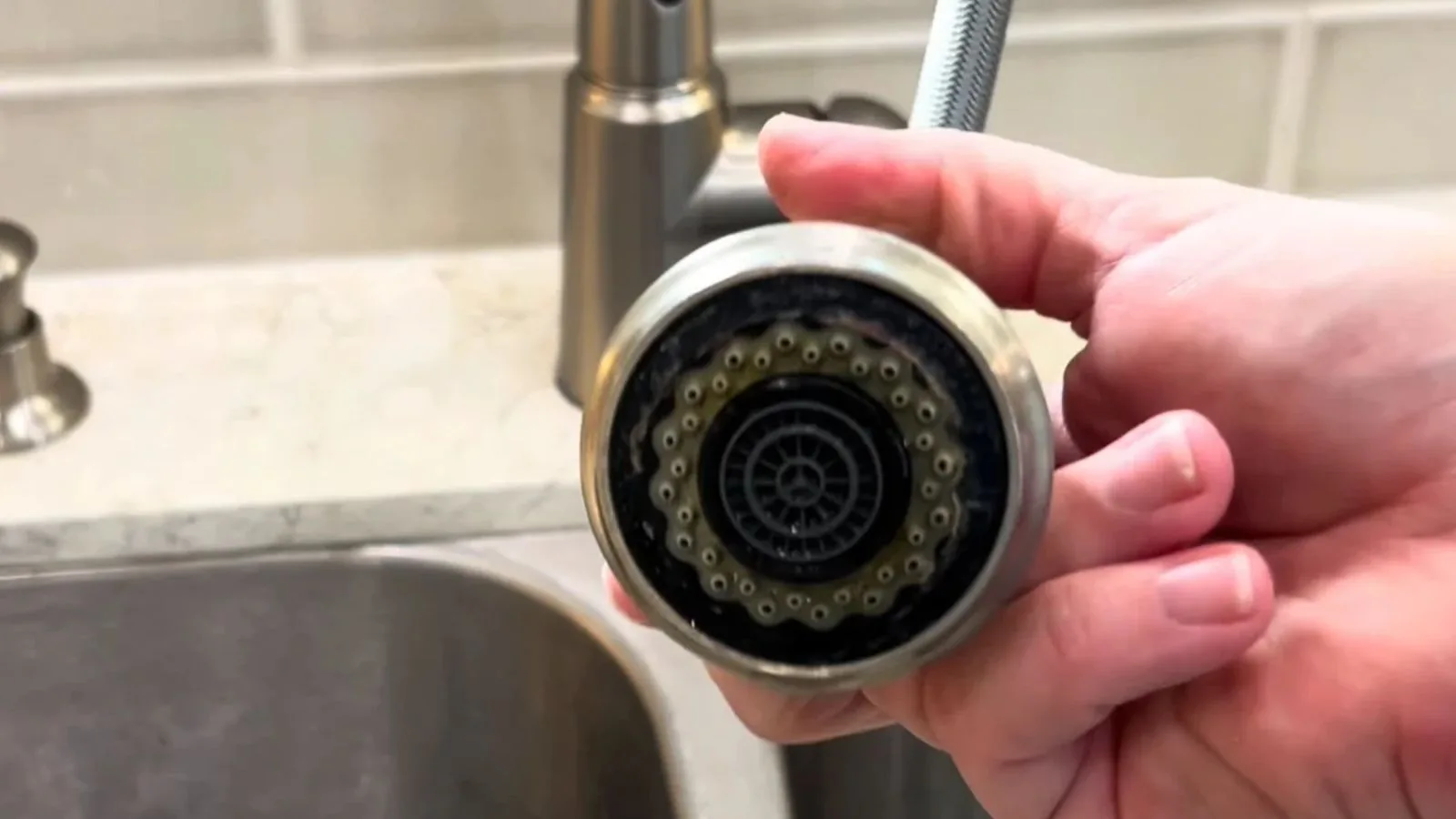
Pasadena's municipal water supply runs hard enough that most homes here show at least some visible signs of it, even if nobody's ever specifically tested for it. The most common signs are white mineral buildup around faucets, soap that won't lather well, and a water heater that seems to need repair more often than it reasonably should.
Hardness itself isn't dangerous, but it's genuinely costly over time -- it shortens the life of every water heater and fixture in the house and makes basic tasks like washing dishes and laundry less effective than they'd otherwise be.
It's also worth mentioning that hardness isn't something that develops over time the way a leak does -- if your water is hard, it's been hard since the day the house was built, which means these effects have likely been accumulating for as long as you've lived there.
The Visible Signs
White or chalky mineral deposits around faucet heads, shower heads, and drains are the most obvious sign -- that buildup is calcium and magnesium precipitating out of the water wherever it sits or sprays.
- ✓White or chalky buildup around faucets and shower heads
- ✓Soap and shampoo that won't lather well, even with more product
- ✓Spotty, cloudy dishes straight out of a full dishwasher cycle
- ✓Dry skin or dull-feeling hair after showering
- ✓Laundry that feels stiff or looks dingy despite regular washing
The Signs That Show Up in Your Plumbing
A water heater needing repair or replacement earlier than its rated lifespan is one of the most expensive consequences of hard water -- mineral sediment buildup is the single most common cause of early tank failure in this area.
Reduced water pressure over time, even with no other explanation, can also trace back to mineral scale narrowing pipes and fixture openings gradually, the same way it narrows a kettle's spout.
Confirming It Before You Buy Anything
A water hardness test is the actual way to confirm what's happening and how severe it is, rather than assuming based on symptoms alone -- hardness is measured in grains per gallon, and the right system size depends on the actual number, not a guess.
We can test your water directly during a service visit and size a softener system to your household's real usage rather than a generic recommendation.
What a Softener Actually Changes
A softener removes the calcium and magnesium before they reach your fixtures and water heater, which directly extends the working life of anything downstream of it -- most notably the water heater, since scale buildup is the leading cause of early tank failure here.
It's a different fix from whole-home filtration, which addresses taste, odor, and sediment rather than hardness specifically -- some households benefit from both, addressing two separate issues.
What Grain Capacity Actually Means
Softener systems are sized in grains of hardness they can remove before needing to regenerate -- a system undersized for your household's water usage and hardness level will regenerate too often or let hard water through between cycles, neither of which is ideal.
This is why we test actual hardness and factor in household size before recommending a system size, rather than defaulting to a generic mid-range unit that may not match your specific situation.
What Happens If Hardness Goes Unaddressed for Years
Left unaddressed, hard water's cumulative effect shows up as more frequent water heater replacements, fixtures that need earlier repair or replacement, and a steady low-grade cost in extra soap, detergent, and cleaning product needed to get the same results.
None of this is dramatic in any single month, which is exactly why it's easy to overlook -- the cost is real, it's just spread out enough that most households never total it up until they're comparing notes with a softener-owning neighbor.
Need This Looked At?
Call now and a licensed Pasadena plumber can take a look.
FAQs
We can test it directly during a service visit, which gives an accurate number to size a system against rather than guessing.
It won't undo existing sediment damage, but it significantly slows future buildup, which extends how long a new or existing water heater actually lasts.
Yes, for the vast majority of people. Some on very low-sodium diets choose to keep one unsoftened tap for drinking water, which is a simple plumbing configuration if that matters to your household.
Most residential installs are completed in a few hours, including connecting to the main line and setting the regeneration schedule.
With normal maintenance, 10 to 15 years is a reasonable expectation, though the resin tank and control head can sometimes need individual component service before that.
Softeners do use some water during regeneration cycles, but the increase is typically modest compared to the savings from extended fixture and water heater life.
It's typically an owner decision since it involves plumbing modifications, though renters experiencing hard water symptoms can raise it with their landlord.
It addresses drinking water taste but does nothing for the water heater, fixtures, or laundry, which is where most of hard water's real cost shows up.
Yes -- mineral scale builds up inside both appliances over time, reducing efficiency and shortening their working life, similar to what happens inside a water heater.
Most systems use salt or a salt substitute that needs periodic refilling, which is a small ongoing cost worth factoring into the decision.
Hardness levels can vary somewhat depending on which part of the municipal system serves a specific address, which is exactly why a direct test on your own water gives a more accurate answer than a citywide assumption.
Often yes, for a standard residential install, provided the system is in stock and the main line access is straightforward -- we'll confirm timing when we test your water.
Some people notice a mineral taste in very hard water, though this varies by individual sensitivity and the specific hardness level of your supply.
Ready To Get It Fixed?
Call Pasadena Express Plumbing for upfront pricing and same-day scheduling in Pasadena, TX.
☎ Call (281) 626-9205