Slab leaks aren't random bad luck in Pasadena. The soil underneath most homes here is a real, ongoing factor.
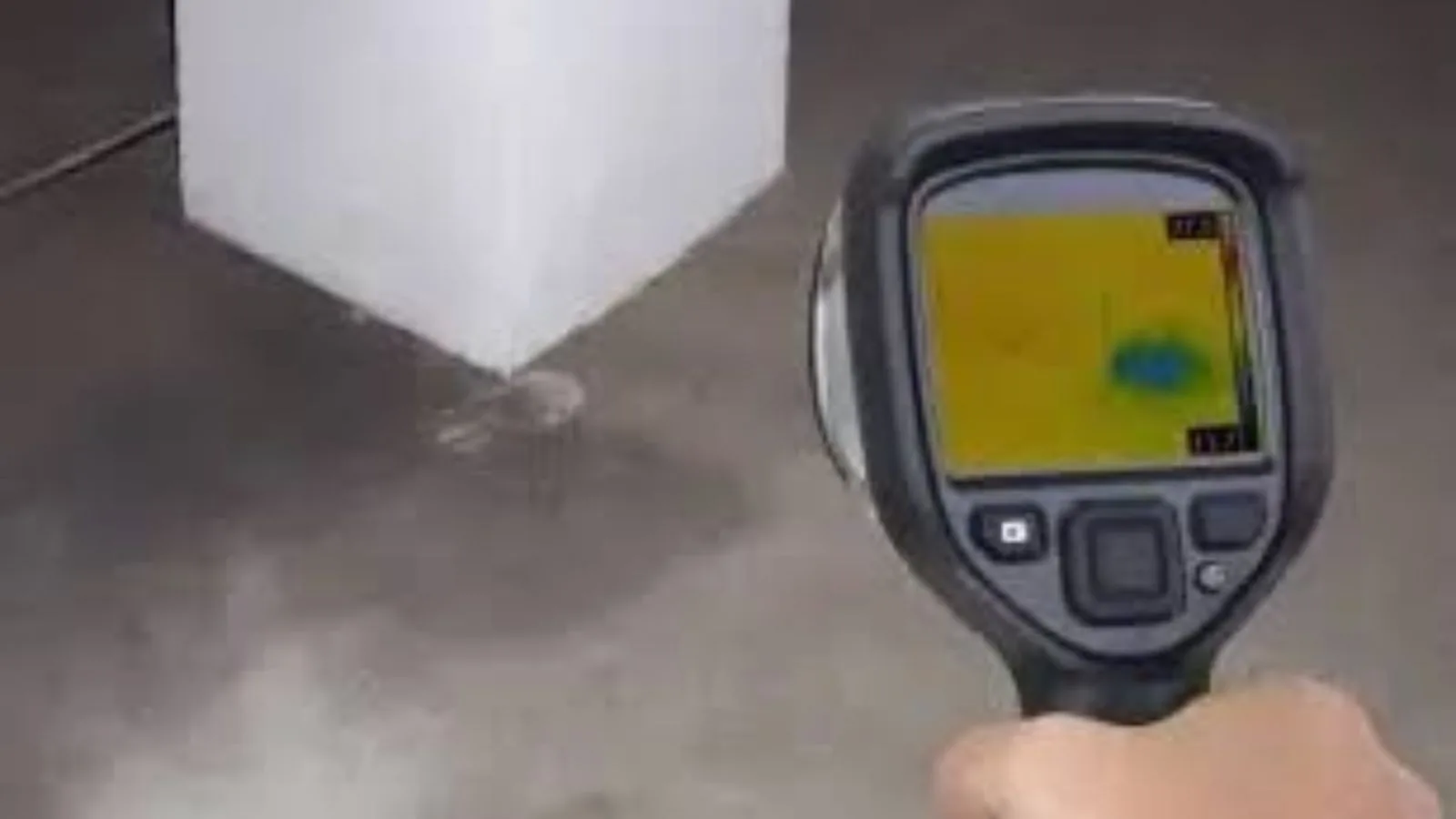
Slab leaks develop in supply or drain lines running beneath a home's concrete foundation, and while they can happen anywhere, Gulf Coast homes see them more often for a specific, identifiable reason: the clay-heavy soil common across the Houston area expands when it's wet and contracts when it dries, and that movement doesn't stop just because a house is sitting on top of it.
Nearly all of Pasadena's housing stock sits on slab foundations rather than a raised foundation with crawlspace access, which means the pipes running beneath the slab are effectively inaccessible until something forces the issue.
This is also worth knowing if you're comparing notes with friends or family in other parts of the country -- a slab leak that seems like an unusual, one-off event elsewhere is a genuinely routine call for plumbers working the Gulf Coast, precisely because of this shared soil condition.
How Clay Soil Actually Causes This
Expansive clay soil swells significantly when it absorbs water after rain, then shrinks back down during dry spells -- that repeated cycle, year after year, shifts the slab sitting on top of it by small but real amounts.
The copper or CPVC supply lines running through or beneath that slab weren't designed to flex with that movement indefinitely. Over years, the stress concentrates at joints and bends, and that's typically where a slab leak eventually develops.
Signs Worth Taking Seriously
A warm spot on the floor, particularly over a hot water line, is one of the more distinctive signs, since it's not something that happens for any other common reason in a slab home.
- ✓A warm or damp spot on the floor with no obvious source
- ✓A water bill that's climbed sharply with no change in usage
- ✓The sound of running water audible even with every fixture off
- ✓Damp carpet or flooring with no visible leak nearby
- ✓A noticeable drop in water pressure throughout the house
How It Gets Found Without Breaking the Floor
Acoustic and electronic leak-tracing equipment picks up the specific sound signature of water escaping under pressure, which lets a technician narrow a slab leak's location to a small, specific area before any concrete is disturbed.
That precision is what keeps a slab leak repair from turning into a full-floor demolition -- our slab leak detection and repair page covers how the process actually works, including when rerouting above the slab makes more sense than breaking into it.
Prevention Is Limited, But Not Zero
You can't stop clay soil from moving, but keeping consistent moisture around your foundation -- avoiding extreme wet-dry swings right at the slab edge -- can reduce how dramatically the soil shifts season to season.
Beyond that, catching a leak early through routine attention to your water bill and a periodic leak detection check is the more realistic strategy than trying to prevent the underlying soil movement itself.
Why This Isn't Just a Pasadena Problem
Expansive clay soil runs through much of the greater Houston area, not just Pasadena specifically, which is why slab leaks are a genuinely common call across this whole region rather than an unusual event tied to any one neighborhood.
That regional consistency is actually useful context: if a neighbor or family member elsewhere in the Houston area has dealt with a slab leak, it's a reasonable data point for what your own home might eventually face too, given the shared soil conditions.
How This Differs From a Foundation Crack
A foundation crack is a structural issue with the slab itself, visible as a crack in the concrete or drywall above it. A slab leak is a plumbing issue in a pipe running through or beneath the slab, and it can exist with no visible crack at all.
The two are sometimes related, since a slab leak's water can soften soil beneath the foundation and contribute to settling over time, but they're diagnosed and fixed by different specialists using different methods, which is worth understanding before assuming one problem explains the other.
Need This Looked At?
Call now and a licensed Pasadena plumber can take a look.
FAQs
Both see them, since the cause is the soil, not the age of the house -- though older homes with original copper lines that have had decades of soil movement to contend with do show up more often.
Not always dramatically, but it should be addressed promptly. An ongoing slab leak can undermine the foundation and cause mold growth under flooring over time.
It's uncommon at the exact same repaired spot, but the same soil movement that caused the first leak can eventually stress a different section of line.
Foundation leveling addresses the slab's position but doesn't stop clay soil from cycling wet and dry; the two are related but separate problems, each needing its own fix.
Consistent, moderate watering near the foundation can actually help by reducing extreme wet-dry soil cycles, while allowing the soil right at the slab edge to fully dry out repeatedly tends to increase movement.
A proactive leak detection sweep can sometimes catch a very early leak before it's produced a noticeable water bill increase, though it's not something most homeowners do without a specific reason to check.
Risk varies somewhat by specific soil composition and the age and material of the home's plumbing, but the general clay-soil factor applies broadly across the area.
Yes, though most homeowners have this done reactively, in response to a symptom, rather than as scheduled preventive maintenance.
Transitions between very wet and very dry periods, when soil movement is most active, tend to see more slab leak calls than steady weather stretches.
Not entirely, since the underlying cause is soil movement outside anyone's control, but catching it early through attentive water-bill monitoring limits how much damage it causes.
Yes -- a shallower line is more straightforward to access, while a deeper or more complex leak sometimes makes rerouting above the slab the more practical choice over accessing the original line directly.
Ready To Get It Fixed?
Call Pasadena Express Plumbing for upfront pricing and same-day scheduling in Pasadena, TX.
☎ Call (281) 626-9205