Short answer: less than the sticker promises, unless you're flushing it. Here's what actually determines the number for a Pasadena, TX home.
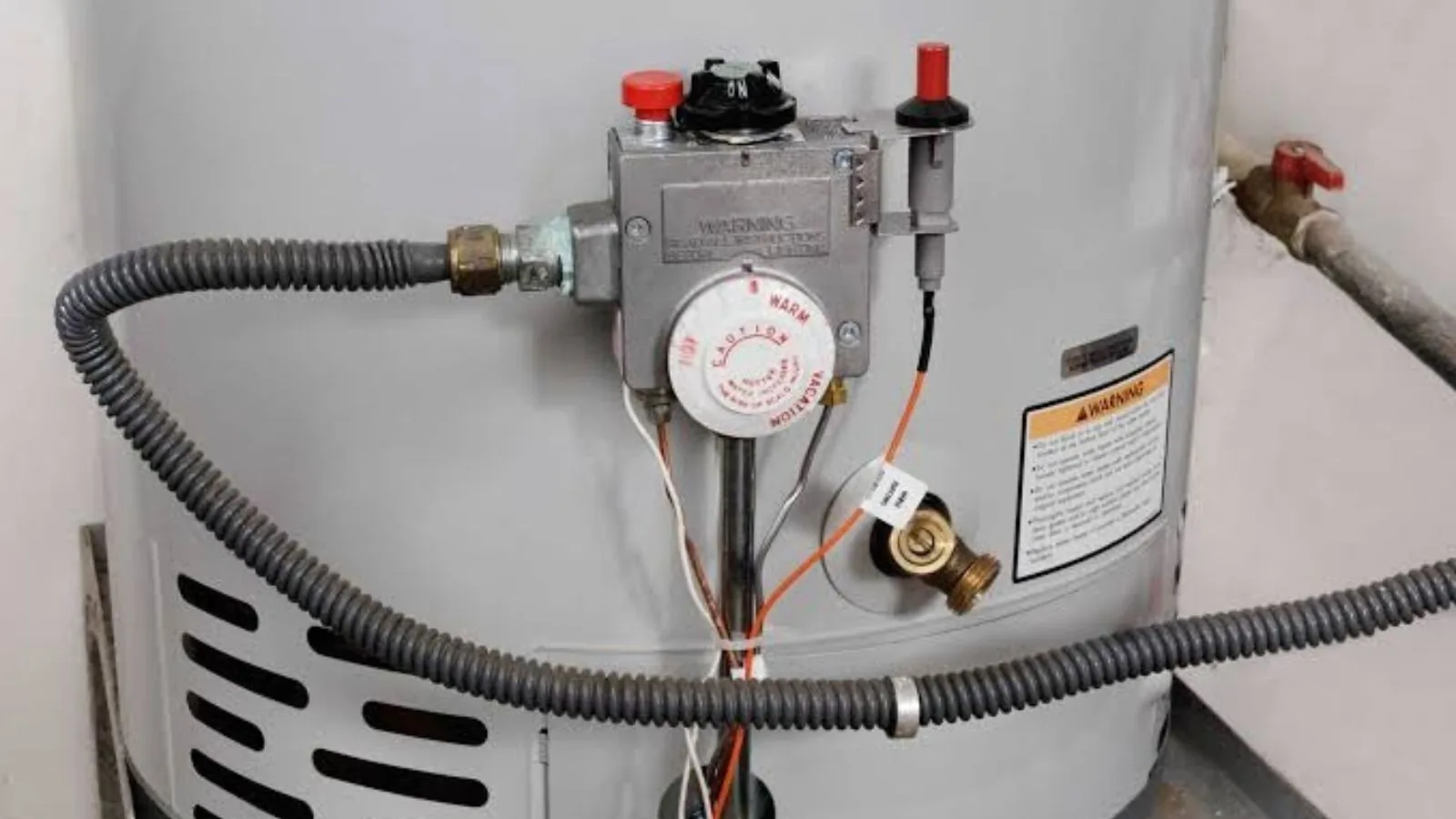
A standard tank water heater is rated for 10 to 12 years. In Pasadena, TX, the honest number is often closer to 8 to 10 unless the tank gets flushed annually -- the culprit is the same hard, mineral-heavy municipal water that scales up kettles and coffee makers across the Houston area, just doing the same thing slowly, inside a sealed steel tank nobody looks at.
The mineral sediment settles on the tank floor, insulates the burner or lower heating element from the water above it, and forces the unit to work harder to hit the same temperature. That's not a defect in the unit; it's a predictable, largely preventable consequence of the water this city runs.
Why Hard Water Shortens the Number
Dissolved calcium and magnesium in Pasadena's water supply don't disappear when the water heats up -- they precipitate out and settle wherever the water sits still, which in a tank heater is the bottom of the tank, right above the burner or heating element.
Once that layer builds past a certain thickness, it acts like insulation between the heat source and the water, which means longer heating cycles, higher energy use, and eventually the popping or rumbling sound of water boiling underneath a crust of sediment.
What Actually Extends The Life of a Tank
A full flush once a year clears sediment before it hardens into a permanent layer -- this is the single highest-leverage thing a homeowner can do, and it's inexpensive relative to what it saves.
The anode rod, a sacrificial metal rod inside the tank that corrodes instead of the tank walls, typically needs replacing every 3 to 5 years in hard-water areas. Once it's fully consumed, the tank itself starts corroding, and that's not a repair anyone can walk back.
- ✓Flush the tank annually to clear sediment before it hardens
- ✓Replace the anode rod every 3-5 years in hard-water areas like Pasadena
- ✓Consider a whole-home softener if you're replacing the unit anyway
Signs You're Looking at Repair, Not Replacement
Popping or rumbling sounds, a longer wait for hot water, or a slight drop in how much hot water the tank delivers before running lukewarm are all consistent with sediment buildup that a flush or a water heater repair visit can usually address.
Rusty water from the hot tap only, a leak at the tank body itself, or a unit already past 10 years that's needed more than one repair are the signals that point toward replacement being the better value.
Tank or Tankless -- Does It Change the Math?
Hard water scales a tankless unit's heat exchanger the same way it scales a tank's floor, just faster and more visibly -- a tankless unit will typically throw an error code or restrict flow well before it fails outright, which is actually easier to catch early than a slow tank-floor buildup.
If you're weighing the switch, our tankless water heater service page walks through descaling frequency and what a Pasadena-area conversion typically involves.
What Replacement Actually Costs Versus Repair
A repair -- a new thermocouple, heating element, or a professional flush -- typically costs a fraction of a full replacement, which is exactly why we check the tank's real condition before recommending either path rather than defaulting to the more expensive option.
The math tips toward replacement once a tank is past 8 years and needs a second or third repair within a short window, or when the tank itself shows any sign of leaking from the body rather than a fitting. At that point, continuing to repair an aging tank usually costs more over 18 months than a single replacement would have.
A Simple Maintenance Timeline
Year one: nothing needed yet beyond normal use. Year one, month twelve: the first flush, which resets the sediment clock and is the habit that matters most going forward.
Years three through five: the anode rod check and likely replacement, timed to whichever comes first between the rod's condition and the standard interval. Every year after that: another flush, plus a look at the anode rod again at the next 3-5 year mark. Homeowners who stick to roughly this schedule consistently get more years out of a tank than the rated average suggests, even in Pasadena's hard water.
Need This Looked At?
Call now and a licensed Pasadena plumber can take a look.
FAQs
It's possible with the right tools and a clear shutoff procedure, but a botched flush can dislodge sediment into the lines and clog fixtures throughout the house. Most homeowners find it's worth having done professionally once a year.
If you're seeing white or chalky buildup around faucets and shower heads, or soap that won't lather well, that's a strong sign. We can also test your water directly on a service visit.
With regular descaling, tankless units commonly reach 15-20 years versus 8-12 for a tank in this area's water -- but only if the descaling actually happens on schedule.
Most flush visits run in the range of a standard service call rather than a major repair -- call for an exact quote, since it depends on tank access and condition.
Both are affected similarly by sediment buildup on the tank floor, though gas units tend to show the popping/rumbling sound more distinctly since the burner sits directly beneath the sediment layer.
A point-of-use scale-reduction filter on the cold water line feeding the heater is an option, though a whole-home softener addresses the same hardness everywhere else in the house too, which is usually the better long-term value.
It changes the specific maintenance task from flushing to descaling, but the underlying need for regular hard-water maintenance doesn't go away with either type.
Not precisely without opening the system, but sounds like popping or rumbling during heating cycles are a reliable enough indicator that it's time for a flush.
Higher-end units sometimes include better internal corrosion protection, but no residential tank is immune to sediment buildup from genuinely hard water without regular flushing.
A sudden change in water color, a new leak at the tank body, or a marked change in temperature consistency are the clearest signals that failure is close, not just routine wear.
Ready To Get It Fixed?
Call Pasadena Express Plumbing for upfront pricing and same-day scheduling in Pasadena, TX.
☎ Call (281) 626-9205