The first five minutes matter more than the next five hours. Here's exactly what to do, in order.
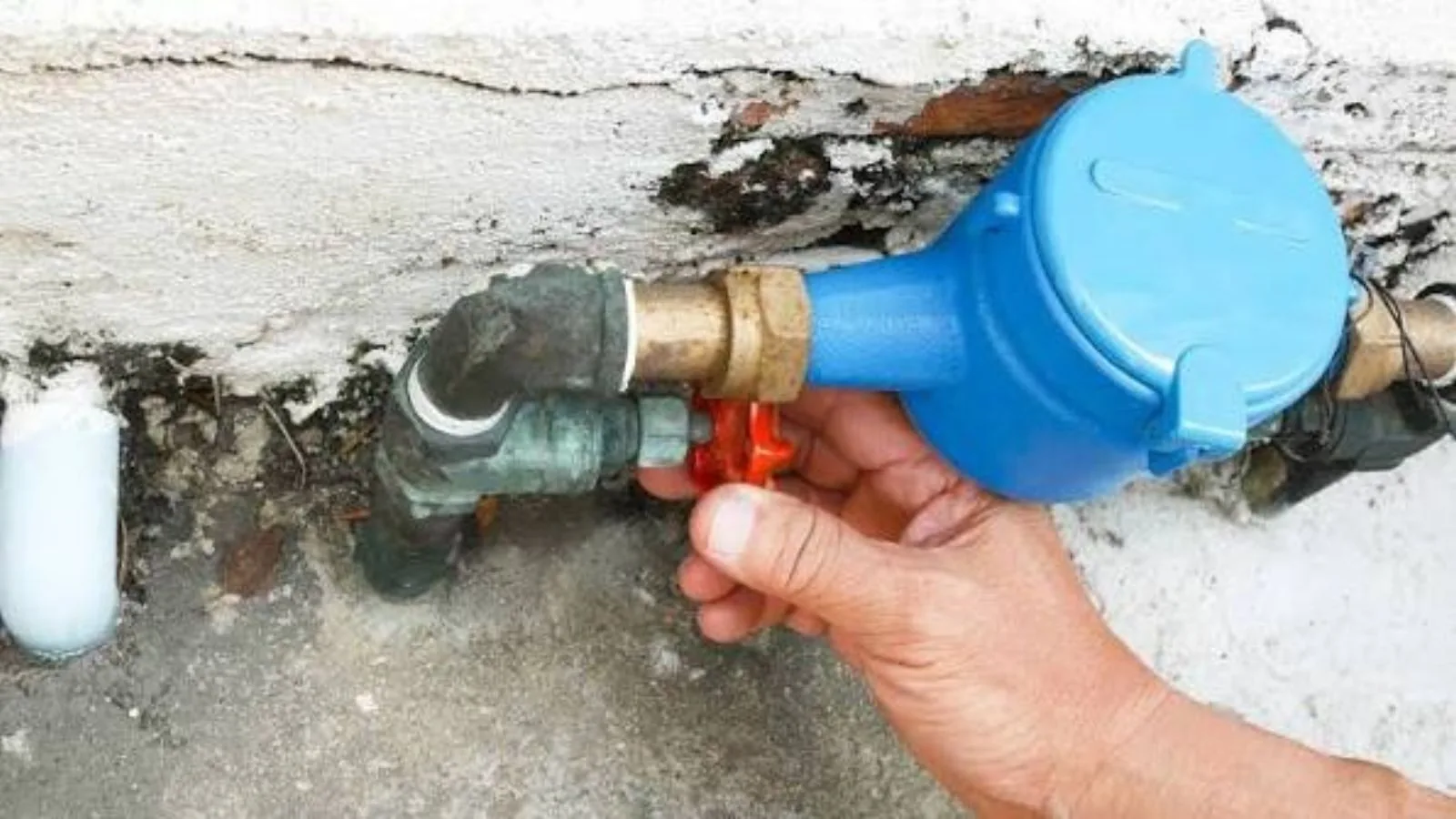
The single most important thing to do when you discover a burst pipe is shut off your home's main water valve before doing anything else. That one step stops the flooding at its source and limits how much water damage accumulates while help is on the way.
After the water is off, there are a handful of things worth doing in the next few minutes that make a real difference to how much damage the burst pipe ends up causing, and a few things that are worth skipping because they waste time without helping.
None of these steps require special tools or plumbing knowledge -- they're things anyone can do under pressure if they've thought through the sequence once, calmly, before it's actually needed.
Step 1: Find and Shut the Main Valve
Most Pasadena homes have a main shutoff valve near where the water line enters the house, often in a garage, utility closet, or an exterior box near the street-facing side of the property. It's worth locating yours before an emergency, not during one.
Turn the valve fully clockwise until it stops. If it's stiff or won't budge, don't force it hard enough to break the handle -- call immediately instead, since a broken shutoff valve adds a second problem to the first.
Step 2: Cut Power to Anything Near the Water
If water is anywhere near an outlet, light fixture, or electrical panel, shut off power to that area at the breaker box if it's safe to reach. Water and electricity are a genuine hazard, and this takes priority over saving flooring or furniture.
Step 3: Limit the Damage, Don't Chase It
Move valuables, electronics, and anything easily damaged away from the affected area if it's safe to do so. Towels and buckets can slow water from spreading further, but don't spend significant time mopping before help arrives -- that's better used calling and clearing the area.
- ✓Shut off the main water valve first, before anything else
- ✓Cut power to any area where water is present, if it's safe to reach the breaker
- ✓Move valuables and electronics away from the water
- ✓Call for emergency burst pipe repair right away
- ✓Take a few photos for insurance before cleanup begins, if there's time
What Happens When We Arrive
We isolate the specific affected line rather than leaving the whole house without water when the layout allows it, replace the damaged section, and pressure-test the repair before turning water back on -- so you're not left wondering if it will hold.
If the burst pipe turns out to be one symptom of a bigger issue, like aging galvanized supply lines throughout the house, we'll say so plainly rather than just patch the one spot and leave you to find the next one. In some cases that conversation leads to a broader repipe being the more cost-effective path.
What Not to Do
Don't spend significant time trying to patch the pipe yourself with tape or a clamp before the water's even shut off -- that delays the one step that actually limits damage, for a fix that usually won't hold anyway.
Avoid using any electrical appliances in or near standing water, even if they seem far enough away to be safe. It's not worth the risk when cutting power at the breaker is a safer option.
Preparing Before You Ever Need This List
The single best preparation is simply locating your main shutoff valve today, not during an emergency -- walk through your home now, find it, and make sure everyone in the household knows where it is.
Keeping our number saved in your phone, rather than searching for it while water is actively flooding a room, is a small step that saves real time exactly when time matters most.
Need This Looked At?
Call now and a licensed Pasadena plumber can take a look.
FAQs
Call immediately and describe the situation -- we can talk you through likely locations over the phone while getting a technician dispatched, rather than losing time searching alone.
A temporary clamp or tape can sometimes slow a leak, but it's not a substitute for shutting off the water, and a botched patch can make the eventual repair harder. Focus on the shutoff valve first.
Our emergency line runs 24/7 and burst pipe calls get priority dispatch -- call as soon as you discover it rather than waiting.
Sudden, accidental water damage from a burst pipe is commonly covered, though specifics depend on your policy. Photos taken before cleanup can help support a claim.
In most cases yes, once the water is shut off and any electrical hazard near the water is addressed. Use judgment based on how much water has accumulated and where.
Either order works, but shutting off the water and calling for emergency repair takes priority over the insurance call, since stopping ongoing damage matters more than documentation timing.
Yes, particularly if water reaches framing, subflooring, or drywall for an extended period, which is exactly why the shutoff valve step matters as much as it does.
It can help with airflow in mild conditions, but it's a secondary step, well behind shutting off the water and calling for repair.
Standard valves close turning clockwise, but confirming this on your specific valve ahead of time removes any doubt during an actual emergency.
It's helpful information if you can safely see it, but don't delay the call trying to investigate -- shutting off water and calling matters more than diagnosing it yourself first.
A few towels, a bucket, and your plumber's number saved somewhere accessible covers most of what's actually useful in the first few minutes -- nothing elaborate is necessary.
It can help manage standing water while waiting, though it's a minor convenience compared to the two priorities that actually matter: shutting off water and calling for repair.
A quick photo once the water is shut off and before major cleanup starts is ideal, but don't delay the shutoff or the call just to document it first.
Ready To Get It Fixed?
Call Pasadena Express Plumbing for upfront pricing and same-day scheduling in Pasadena, TX.
☎ Call (281) 626-9205